



Buy 2, Save 10%
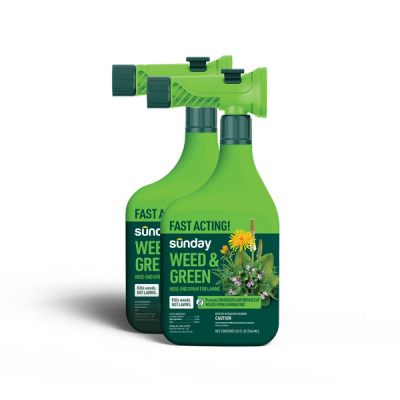
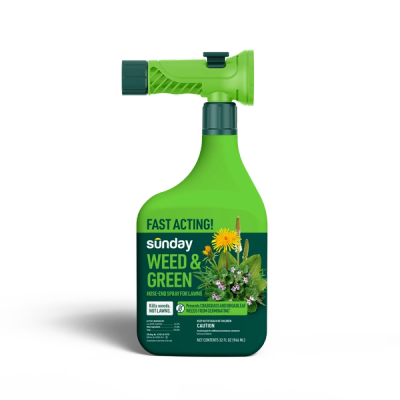
Weed & Green Pre-emergent and Post-Emergent Weed Killer (2-Pack)
$45 $50

Free Shipping!
The Sunday difference

Grow a greener lawn
Get pesticide-free fertilizers
Made for people, pets & planet

What to know before choosing a lawn weed killer
If weeds are taking over your yard, you're not alone. Every lawn deals with them, and the right lawn weed killer makes it a whole lot easier to get rid of weeds in lawn areas without starting from scratch. The key is matching your approach to the type of weed you're dealing with.
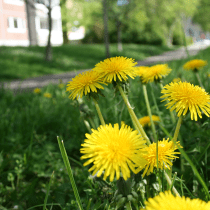
If you're looking to get rid of dandelions in lawn areas, iron-based formulas zero in on broadleaf weeds like dandelions and clover without harming your grass. You'll see results within hours as weeds curl and darken. Herbicidal soap formulas work on contact and are non-selective, which makes them a great fit for gardens, mulched beds, and hardscapes where you want to clear everything. And if you need to stop crabgrass in lawn areas, pre-emergent formulas stop it before it ever breaks the surface.
Understanding what's growing where (and when) is the first step toward a cleaner, thicker lawn. Let's break down which lawn weed killer fits your situation.
How to choose the right lawn weed killer for your yard
Not all weed problems look the same, so not all lawn weed killers work the same way. Here's a quick guide to the main product types and who they're built for.
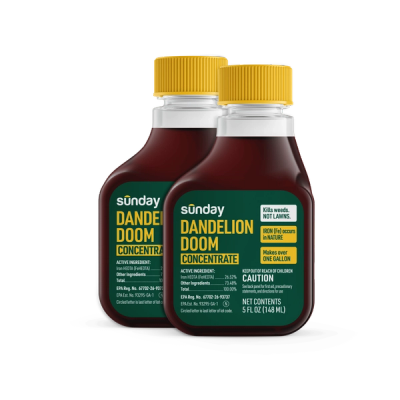
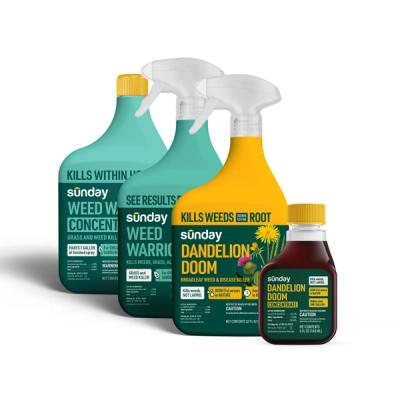
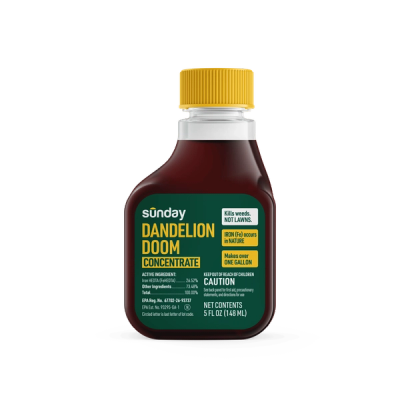
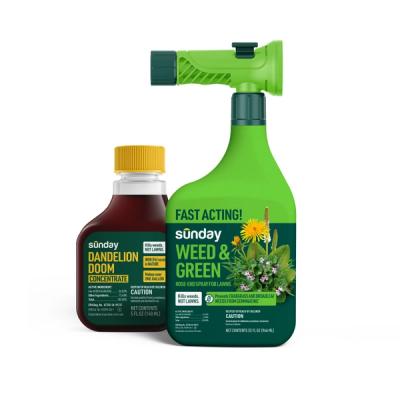
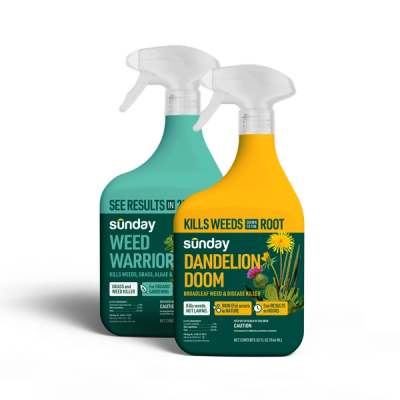
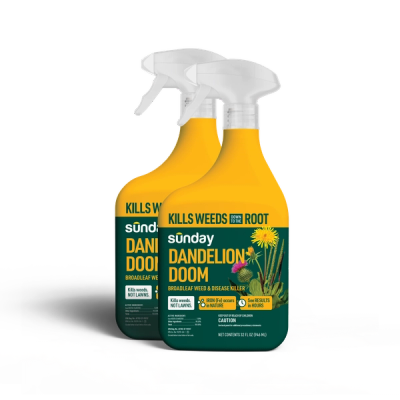
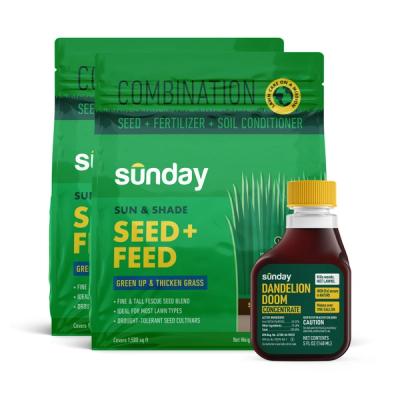
- Iron-based spot treatment: Targets broadleaf weeds like dandelions and clover right in your lawn. Results show up within hours. Best for homeowners dealing with common lawn weeds and looking to get rid of dandelions in lawn areas without affecting the surrounding grass. Check out Dandelion Doom Lawn Weed Killer.
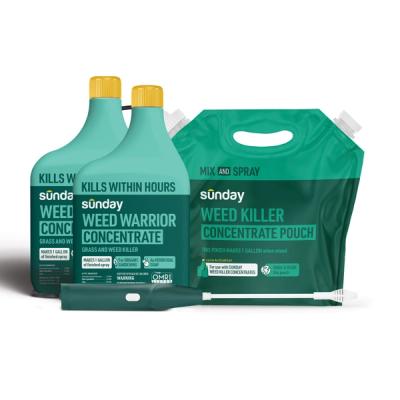
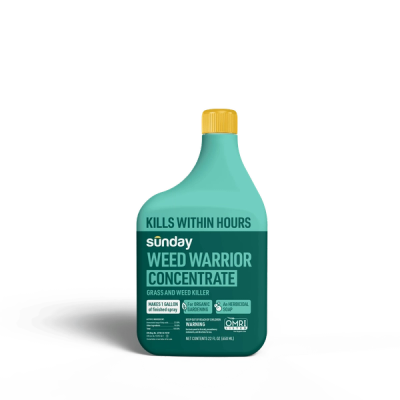
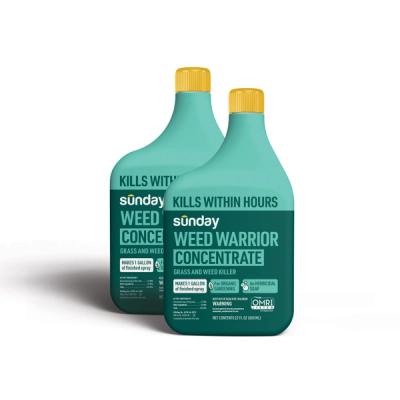
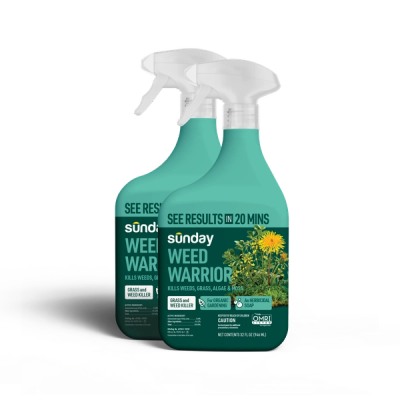
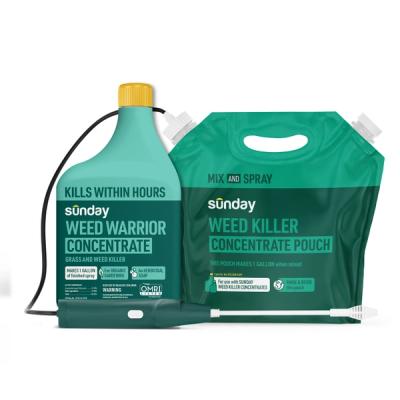
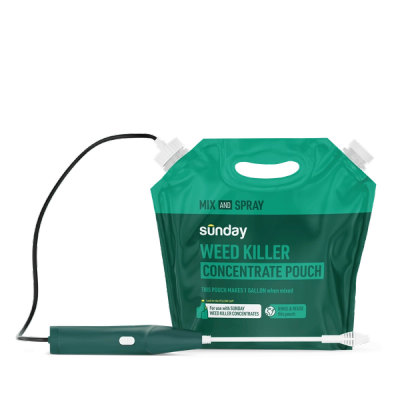
- Herbicidal soap formula: A non-selective formula for gardens, mulched areas, and hardscapes. Certified for organic gardening. Best for tackling weeds outside the lawn where you want a clean slate. Weed Warrior Weed & Grass Killer is built for exactly this.
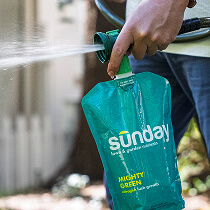
- Pre-emergent and post-emergent hose-end spray: A broadcast spray that prevents crabgrass and controls existing broadleaf weeds. It also greens up the lawn. Best for full-yard weed prevention when you want to stop crabgrass in lawn areas before it takes hold. Weed & Green Pre-emergent and Post-Emergent Weed Killer covers both jobs in one application.
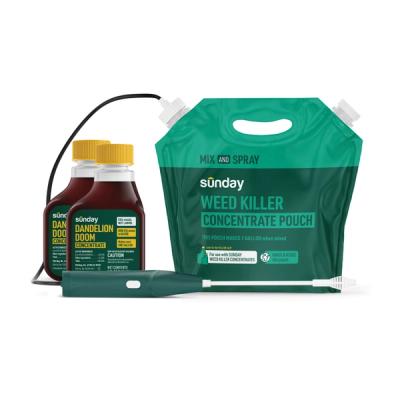
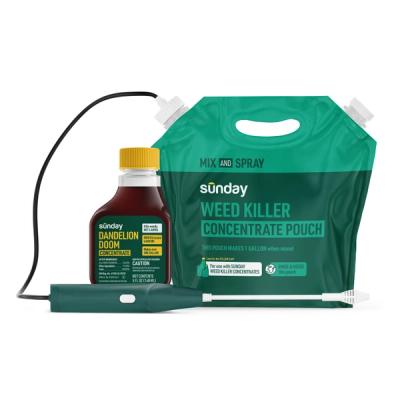
- Weed control kits: Bundled solutions that give you complete lawn and garden coverage in one box. Great for homeowners who want everything they need in a single purchase. The Ultimate Weeding Kit pairs multiple tools together so nothing gets missed.
Not sure which one fits? Start with what's growing and where. Broadleaf weeds in your lawn point to an iron-based treatment. Weeds in garden beds or walkways call for a soap-based formula. And if you're trying to get ahead of crabgrass season, a pre-emergent spray is your best move.
When to apply lawn weed killer for the best results
- Ideal temperature range: Apply when temperatures are between 50 and 85 degrees and weeds are actively growing. This is when products work most effectively.
- Early spring for pre-emergent: Get your Pre-emergent & Post-emergent Weed Kit application down before soil temperatures reach 55 degrees. That's the window before crabgrass seeds start germinating.
- Fall for perennial broadleaf weeds: Autumn is one of the best times to target weeds like dandelions. They're pulling energy down into their roots for winter, which means they absorb treatments more thoroughly.
- Avoid rain and extreme heat: Don't apply right before a rainstorm or during a heat wave. Rain washes product away before it can work, and extreme heat stresses both the product and your grass.
- After weeds are gone, overseed bare spots: Once you've cleared the weeds, fill in any thin or bare areas with grass seed. A thick lawn is your best long-term defense against future weeds.
Why Sunday approaches lawn weed killer differently
Most conventional weed control products rely on harsh chemicals to get the job done. Sunday takes a different path. Our weed control lineup features iron-based and herbicidal soap alternatives that target weeds effectively while working with your lawn's ecosystem, not against it.
Every product is rooted in soil science. Instead of just wiping out what you can see on the surface, Sunday's approach supports what's happening underground: healthier soil, stronger roots, and a lawn that can crowd out weeds on its own over time. It's weed control that works with your lawn's ecosystem, not against it.
When your lawn is healthier at the root level, you spend less time treating problems and more time enjoying your yard. That's the whole point.
Ready to get rid of weeds in lawn areas the smarter way? Browse all lawn care products and find the right fit for your yard.
Common questions about lawn weed killer
Which lawn weed killer should I use for crabgrass vs. dandelions?
It depends on the weed. For dandelions and other broadleaf weeds, use an iron-based spot treatment that targets them without harming your grass. For crabgrass, apply a pre-emergent hose-end spray in early spring before soil temperatures reach 55 degrees. If crabgrass is already growing, a non-selective herbicidal soap formula works on contact, but keep it away from your grass since it doesn't distinguish between plants.
How soon can I reseed my lawn after applying weed killer?
With iron-based spot treatments, you can seed just one day after application. If you used an herbicidal soap formula, wait at least 5 days before seeding. Always check the product label for specific timelines, since reseeding too early can prevent new grass from establishing.
When is the best time of year to apply lawn weed killer?
Spring and fall are your two best windows. In spring, focus on pre-emergent crabgrass prevention before soil temperatures hit 55 degrees. In fall, target perennial broadleaf weeds like dandelions while they're storing energy for winter. For any application, aim for days when temperatures are between 50 and 85 degrees and weeds are actively growing.
What is the difference between pre-emergent and post-emergent weed killer?
Pre-emergent prevents weeds before they sprout by creating a barrier in the soil. Apply it in early spring for crabgrass prevention. Post-emergent targets weeds that are already up and growing. Some products combine both functions, so you can prevent new weeds and treat existing ones in a single application.
Can I use lawn weed killer and fertilizer at the same time?
Yes, but it's a good idea to space applications a few days apart to avoid overwhelming your lawn. Sunday follows an Integrated Pest Management approach: focus on growing a thick, healthy lawn that naturally crowds out weeds, then treat specific weed problems as they come up. Healthy soil and strong grass are your best long-term defense.
Products that pair well with lawn weed killer
- Lawn Fertilizer: A well-fed lawn grows thick and dense, which is your best long-term defense against future weeds.
- Grass Seed: After clearing weeds, fill in bare and thin spots so new weeds don't move back in.
- Lawn Pest Control: Grubs and other pests weaken grass, making your lawn more vulnerable to weed invasion.
- Soil Test Kit: Understanding your soil's pH and nutrient levels helps you build a lawn that resists weeds from the ground up.
Want a plan that brings it all together? Build a custom lawn plan tailored to your yard.